Collector market note
The 30% Deficit: Why Natural Phenomenal Stones Are Outpacing Global Supply
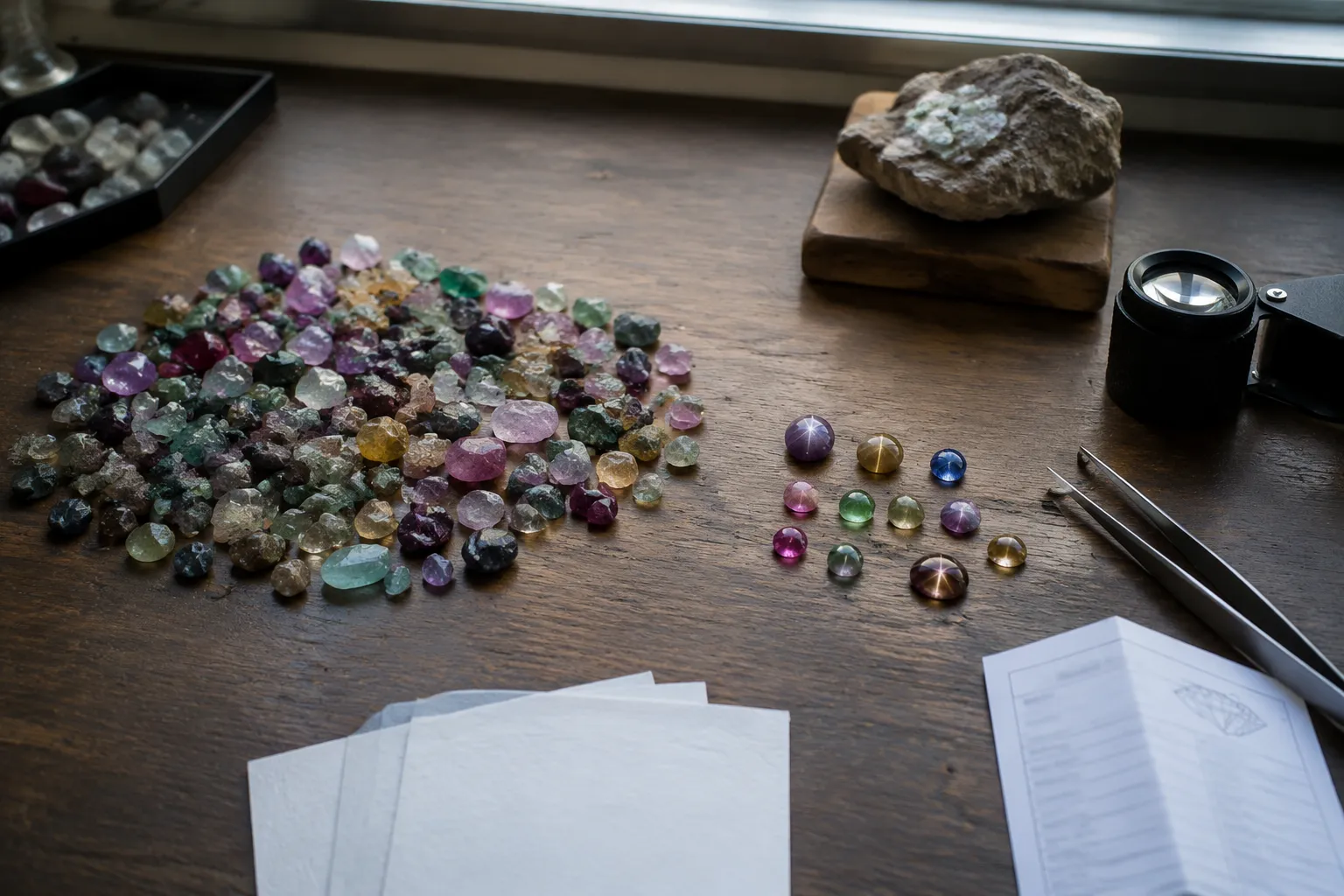
A fine amethyst geode can look generous beside a small star sapphire or a color-change stone, but the supply question is not about gemstones as a whole. Rare phenomenal gemstone supply feels tight because the market is asking for a much narrower result: natural material with a visible optical effect, successful cutting, attractive face-up quality, credible origin, and enough collector demand to keep the best examples moving quickly.
The “30% deficit” needs a careful reading. Available public sources do not establish that natural phenomenal stones are globally 30% below demand. The stronger answer is narrower: selected natural stones with rare optical effects can show a qualified supply-demand imbalance, while ordinary gemstone availability remains broad. The shortage is felt at the filtered end of the market, not across every stone with a romantic rarity story.
broader context
Broader amethyst guide
This narrower page lands better after the broader amethyst context page.
The Short Answer
Natural phenomenal stones can feel scarce even while gemstones remain available because collectors are not asking for any gem material. They are asking for natural origin, a visible optical phenomenon, correct cutting orientation, attractive appearance, and often documentation or traceability. Public evidence supports that narrow pressure, but it does not prove a literal worldwide 30% shortage.
Why the Optical Effect Reduces Usable Supply
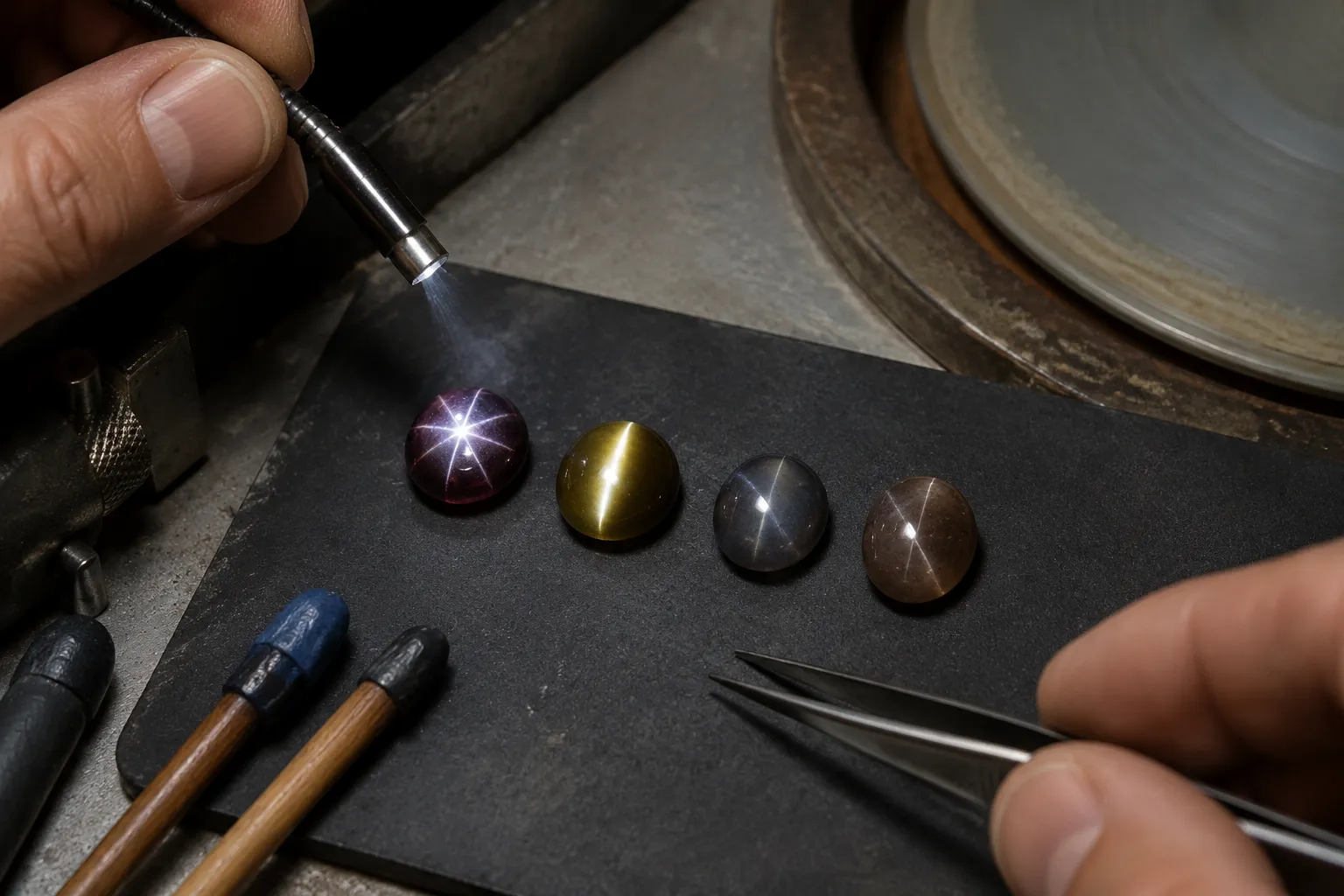
A phenomenal gemstone is not just a rare gem with dramatic marketing around it. In gemological use, the term points to a visible optical phenomenon such as asterism, chatoyancy, iridescence, or color change. GIA’s explanations are useful because they keep the categories separate: a star gem shows asterism, a cat’s-eye gem shows chatoyancy, and color change is not the same thing as ordinary color zoning or pleochroism.
That distinction matters for supply. A mine may produce natural corundum, chrysoberyl, quartz, feldspar, or another gem material, but only some stones contain the internal conditions that can create a marketable effect. Then the cutter has to orient the stone so the effect appears clearly. A weak star, a drifting cat’s-eye line, or a color change that looks muddy under common lighting may be geologically interesting without becoming the example a collector was trying to find.
Star quality shows the narrowing well. Asterism depends on internal inclusions or structures interacting with light, then on a cabochon cut that places the star where the eye expects it. The most desirable star stones combine a clear star, pleasing body color, useful translucency or transparency, and balanced placement. Star quality reduces supply twice: first in formation, then again at the cutting bench.
Amethyst offers a grounded contrast. Its color zoning, crystal habit, and display presence can be beautiful without making it a phenomenal stone in this market sense. A collector may choose an amethyst cluster for room atmosphere, mineral character, or spiritual symbolism, but that choice should not be folded into the supply mechanics of star sapphire, cat’s-eye chrysoberyl, or alexandrite. The rarity filter is different.
The Supply Problem Is Layered
The market-relevant supply of natural phenomenal stones narrows through several gates.
- First, the base gem material has to occur naturally.
- Second, the optical feature has to occur inside that material.
- Third, the effect has to survive cutting and appear in the right position.
- Fourth, the finished stone still has to meet expectations for color, size, polish, transparency or translucency, and overall face-up appeal.
- Fifth, many buyers add natural origin, treatment status, source story, and traceability to the decision.
Each filter may sound modest on its own. Together, they make the available pool much thinner than broad gemstone availability suggests.
This is why phrases like “limited natural supply” and “cannot scale naturally” are partly true but easy to overstate. Geological formation cannot be increased like factory output. Lab-created material can be grown under controlled conditions, and some lab-created stones may be visually appealing. But many collectors still treat natural origin, geological history, and documentation as separate values. That does not make every natural phenomenal stone equally scarce. It means the specific overlap of natural origin, strong phenomenon, pleasing quality, and desired paperwork is hard to expand quickly.
Effect placement is often the quiet deciding factor. A cat’s-eye line that runs cleanly across the dome of a cabochon can hold attention; one that sits low, breaks, or disappears in ordinary light does not carry the same weight. A color-change stone may belong to a recognized category, but the strength and attractiveness of the change still matter. A star may exist technically, yet fail as a display feature. The optical effect reduces supply only when it is both present and successful.
Why Pressure Can Rise While Gemstones Remain Available
The apparent contradiction is that gemstones broadly remain easy to find. Quartz, garnet, sapphire, tourmaline, feldspar, and many other materials still appear in retail channels. The pressure shows up when buyers ask for selected natural stones where rarity, visible effect, quality, and collector preference overlap.
Trade reporting from Rapaport supports this cautiously. Recent colored-stone coverage describes an uneven market, with softness in some areas and stronger interest in rare, traceable, high-quality, or bespoke stones in others. It also includes dealer-observed price movement and discussion of natural-stone shortages, mining limits, and traceability expectations. That is useful context, but it is not a global supply model for phenomenal gems.
So “supply-demand imbalance” needs a qualifier. For natural phenomenal stones, the imbalance is not “all gems are running out.” It is that buyers may be asking for a narrow class of stones faster than the trade can present matching examples. A collector may want a natural star sapphire with attractive body color, a sharp centered star, believable origin information, and a size suitable for jewelry or display. Total sapphire supply is much larger than the supply of that exact result.
Origin and traceability can tighten the feeling further. When buyers want not only the stone but also a plausible chain of identity, fewer stones remain in serious consideration. Origin premiums appear often in trade and commercial language, but the available material does not support sweeping origin-price claims across all phenomenal categories. The safer point is simpler: source, documentation, treatment status, and natural origin are additional filters.
For amethyst readers, this distinction protects collector literacy. A purple quartz specimen may be chosen for color, crystal habit, room atmosphere, or symbolic use. Those values can matter deeply in a home or collection, but they are not proof of phenomenal-stone scarcity. The supply question here belongs to observable optical effects and market filtering.
What the “30%” Number Can and Cannot Mean
The title’s “30% deficit” works as a market question, not as a settled statistic. The available public material does not substantiate a literal 30% global rare phenomenal gemstone supply deficit, verified transaction-price records, or reliable safe-haven performance.
The reported 30% figure is narrower. In one trade context, some industry participants described colored-gem appetite as down about 30% from 2022. That is a demand observation, not a measurement of physical shortage. It also sits beside other trade comments describing stronger interest in certain regions, price points, and rare-stone categories. Both can be true because the colored-stone market is uneven.
The better reading is this: the “deficit” is shorthand for a felt shortage in specific, quality-filtered natural phenomenal stones. It does not mean every phenomenal stone is unavailable. It does not mean prices always rise. It does not mean transaction records prove one uniform market pattern. It means the examples collectors most often ask for may be much harder to source than the general word “gemstone” implies.
Safe-haven sentiments need the same restraint. Media coverage can show that some affluent consumers view jewelry and gemstones as portable luxury or tangible assets. It cannot show that rare phenomenal gemstones behave like gold, protect wealth in downturns, or produce predictable financial outcomes. Gold research does not transfer cleanly to star sapphires, alexandrite, cat’s-eye stones, or any other gem category.
Common Confusion in Scarcity Language
Natural versus lab-created
A lab-created stone may be attractive and may share some material or optical characteristics with a natural counterpart, depending on the process. Collector demand often separates natural geological origin from laboratory production. That difference can affect desirability without making the natural stone a dependable store of value.
Different optical phenomena
Color change is not simply pleochroism. Asterism is not chatoyancy. Iridescence is not a synonym for sparkle. Commercial and social sources often blur these terms, especially around star sapphires and color-change stones. For supply, the category matters because each phenomenon depends on different material conditions and cutting decisions.
Rarity versus price
A rare feature may support collector interest, but price depends on more than rarity: beauty, size, condition, treatment history, transparency, provenance, fashion, buyer confidence, and timing all matter. Dealer-observed price movement is not the same thing as verified market-wide transaction records.
Example drift
Jadeite demand, tanzanite’s single-source story, red beryl rarity language, Paraiba tourmaline attention, and famous ruby or sapphire sales can explain how scarcity language circulates. They should not become proof for natural phenomenal stones as a whole. Some are not phenomenal stones, and some claims around them come from sales-led contexts.
The Practical Answer for Collectors
Natural phenomenal stones feel supply-constrained because buyers are not really competing for “gemstones.” They are competing for a filtered result: natural formation, visible phenomenon, correct orientation, strong appearance, acceptable quality, and often traceable origin. That combination cannot scale naturally, and broad gemstone availability does not replace it one-for-one.
The evidence supports a qualified supply-demand imbalance for selected stones with strong optical effects and collector recognition. It does not support a universal 30% global deficit, guaranteed price behavior, or investment-style certainty.
For a collector looking from an amethyst shelf toward the wider phenomenal-stone market, the calm test is to separate what can be seen from what is being sold. Color, crystal habit, star sharpness, cat’s-eye movement, effect placement, documentation, and natural origin are material questions. Spiritual symbolism, room presence, and personal meaning may sit beside them, but they do not prove scarcity. Keep the specimen in view before the market language takes over.
FAQ
Does “rare phenomenal gemstone supply” mean all gemstones are becoming scarce?
No. It refers to a narrower market pressure around natural stones with visible optical phenomena, strong quality, and collector recognition. Many gemstones remain broadly available.
Is the 30% deficit a verified global supply shortage?
No. The available material does not establish a measured 30% worldwide shortage of natural phenomenal stones. The phrase is better read as a prompt to examine selective supply pressure, not as a confirmed statistic.
Why does cutting matter so much?
The optical effect has to be placed where it can be seen. A star, cat’s-eye line, or color-change effect may exist in the rough material, but poor orientation or weak display can remove the stone from the most desirable collector pool.
Can lab-created stones solve the shortage?
They can increase access to attractive visual material, but they do not replace the collector value some buyers place on natural geological origin, traceability, and untreated status. That is a market preference, not a guarantee of future value.